

Luggage Lining Materials And Compartment Design: Enhancing Product Premium And Meeting The Specific Needs Of Business Travel And Family Travel
Oct 20, 2026
Leave a message
Competition in the hard-shell luggage market is no longer limited to exterior materials, wheel sets, and locks. Often-overlooked internal features-such as lining materials and interior compartments-are increasingly becoming key strategies for foreign trade wholesalers and cross-border sellers to differentiate their products and increase their premium value. For suitcases with the same shell specifications, differences in interior materials and layout design can lead to significant variations in target customer groups, price ranges, and repeat-purchase reputation. Dongguan Shachengbao Luggage has optimized the selection of lining fabrics and compartment structures for the two mainstream scenarios-business travel and family travel-to meet the procurement needs of different overseas markets.

Currently, the mainstream fabrics for luggage linings are divided into three categories: polyester, high-elasticity chenille, and satin. Differences in their performance directly impact the customer experience. Standard polyester fabric offers high cost-effectiveness, is durable, and resistant to snagging, making it suitable for high-volume, basic-style orders; high-stretch spandex offers good drape, is abrasion- and tear-resistant, and provides high clarity for printed logos and patterns, making it a common choice for mid-volume bestsellers; satin fabric has a lustrous, smooth finish and a luxurious feel, often used in mid-to-high-end business and travel styles to enhance visual quality. Fabric procurement must also comply with export regulations, strictly controlling formaldehyde and azo dyes to meet REACH and RoHS testing requirements and avoid shipment delays. In regions with humid climates, water-repellent lining fabrics can be selected to prevent garments from getting damp, making them suitable for markets in Southeast Asia and along the European coast.
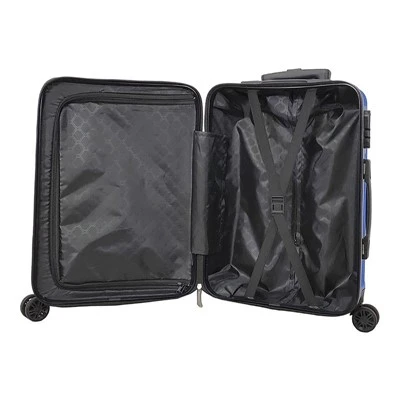
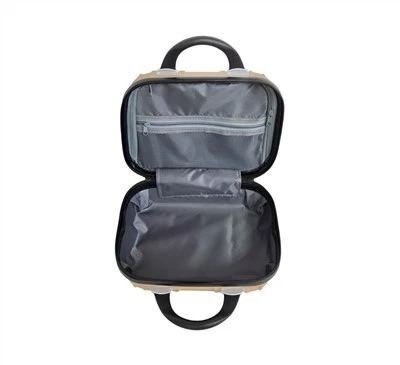
The core pain points for business travelers are cluttered belongings, wrinkled documents, and difficulty locating digital accessories. The interior of business travel luggage typically features a dual-side compartment design: one side includes a large, zippered, sealed pocket for storing contracts, notebooks, and paper documents; the other side features elastic straps paired with a separate digital accessory pouch for organizing chargers, data cables, headphones, and power banks. Some upgraded models include hidden pen holders and card pockets, eliminating the need to carry an extra organizer. This simple, clean compartmentalization aligns with business travelers' need for efficient organization and is the most reliable design approach for increasing a product's premium value.
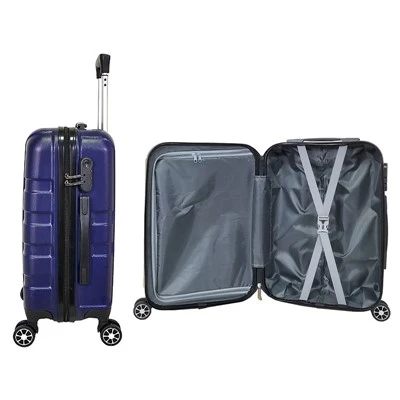
Family travel orders prioritize flexibility and packing capacity; fixed small compartments can actually limit space. These models often feature removable dividers and Velcro-adjustable compartments. When the dividers are removed, the interior becomes a single open compartment capable of holding bedding, children's clothing, and toys; when the dividers are in place, they can separate adult and children's clothing. Additionally, breathable mesh pockets and wet-item bags are included to store swimwear, dirty clothes, and toiletries-the "dry-wet separation" design is a key selling point for family buyers. The adaptable structural design allows a single suitcase to suit both short trips and long-distance travel, making it particularly suitable for distribution through supermarkets and brick-and-mortar retail channels.
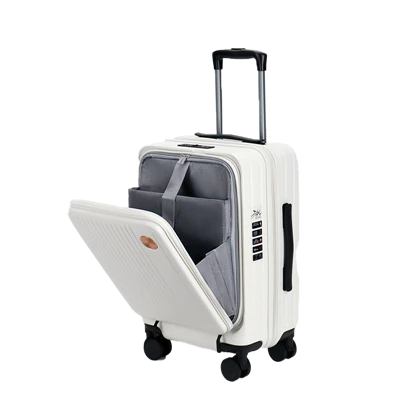
When selecting products for procurement, fabric weight, sewing techniques, and zipper hardware all affect the production cost. Excessively complex multi-layer compartments increase sewing labor hours and drive up the unit price, making them suitable for small, high-end orders; simple, modular compartments and standard fabrics are better suited for large-volume container shipments. Manufacturers can provide fabric swatches and customizable compartment blueprints, and support customers' own prints, custom webbing, and logo embossing to build brand recognition.
In the highly commoditized luggage market, shell specifications rarely create long-term competitive barriers. By focusing on lining fabrics and compartment solutions tailored to specific use cases-and precisely addressing the organization pain points of business travelers and families-manufacturers can create clear product differentiation without significantly increasing shell costs. This helps overseas buyers expand their pricing flexibility and reduce price competition with similar products. Dongguan Shachengbao Luggage continuously refines its interior lining solutions, supporting on-demand customization of lining fabrics and compartment structures to provide differentiated luggage OEM services for cross-border sellers and overseas wholesalers.