

What Is A TSA Lock? Why Is It Essential For Exports To The U.S.?
Sep 16, 2026
Leave a message
For luggage brands exporting to the U.S., the TSA lock is an essential consideration. Many travelers have had the experience of arriving in the U.S. only to find their luggage locks cut off and their suitcases damaged. This is usually because the luggage was not equipped with a TSA lock. So what exactly is a TSA lock? And why is it so important for exports to the U.S.? This article will analyze the topic from four perspectives: TSA certification, the customs inspection process, lock structure, and brand customization.
Basic Concepts of TSA Locks and TSA Certification
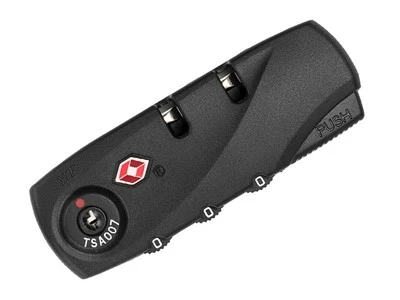
TSA stands for the U.S. Transportation Security Administration. A TSA lock refers to a suitcase lock that has been certified by the TSA and allows customs officers to open it using a master key. These locks typically feature a red diamond-shaped TSA logo. TSA certification means the lock meets the technical standards set by the U.S. Transportation Security Administration, allowing customs officers to open the luggage for inspection without damaging the lock. For luggage exported to the U.S., being equipped with a TSA-approved lock is a basic requirement. Without TSA certification, customs may be forced to cut the lock, resulting in damage to the luggage and customer complaints. Therefore, TSA certification is the first hurdle for luggage locks exported to the U.S.
Customs Inspection Process and TSA Lock Structure
U.S. Customs has the authority to inspect incoming luggage. When suspicious items are detected via X-ray screening, Customs officials will conduct a physical inspection of the luggage. If the suitcase is equipped with a TSA lock, Customs officers can open it with a special key, inspect the contents, and then relock it. The structure of a TSA lock typically includes combination dials, a keyhole, and a lock cylinder. The keyhole is reserved exclusively for Customs use, while regular travelers use the combination dials. This dual-system design ensures both the security of travelers' belongings and meets customs inspection requirements. TSA locks also come in different security levels, such as TSA002 and TSA007; brands should select the appropriate lock structure based on their target market. Understanding the customs inspection process helps brands make informed decisions during design and procurement.
Key Considerations and Market Value of Custom TSA Locks for Brands
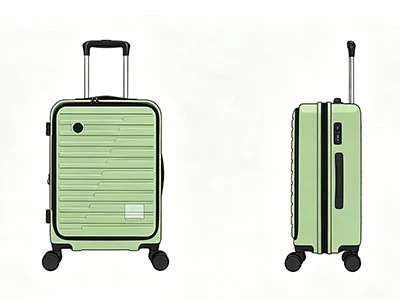
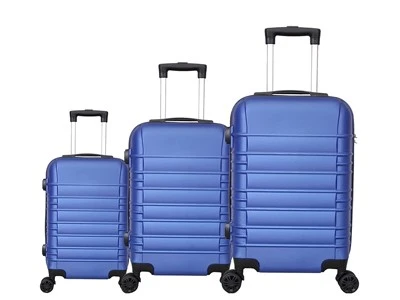
For luggage brands, TSA locks are not only security accessories but also a medium for brand presentation. Brands can customize logos on the lock body and select colors and materials that match the suitcase. Custom TSA locks enhance a product's professional image and brand recognition, allowing consumers to appreciate the brand's attention to detail. At the same time, luggage equipped with TSA locks reduces damage caused by customs inspections when exported to the U.S., minimizes after-sales complaints, and protects the brand's reputation. Consequently, an increasing number of brands are incorporating TSA lock customization into their product development processes. Dongguan Shachengbao Luggage offers a variety of TSA lock customization solutions, including logo engraving and color matching, to help brands build a competitive edge.
How to Choose Compliant TSA Locks for Luggage Exported to the U.S.
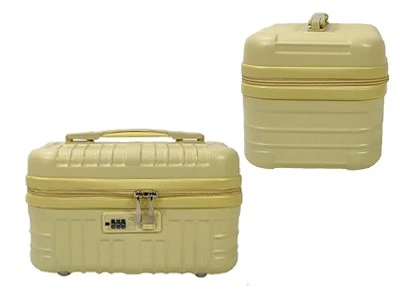
Luggage brands exporting to the U.S. should focus on several key points when selecting TSA locks. First, confirm that the lock is TSA-certified and bears the TSA logo. Second, choose the lock mechanism-such as a combination lock, key lock, or a combination of both-based on the suitcase's material and style. Third, consider the lock's durability and ease of use to ensure it withstands frequent use. Finally, choose an experienced supplier capable of providing complete certification documentation and a stable supply chain. Dongguan Shachengbao Luggage has a well-established TSA lock procurement and assembly system; all locks comply with TSA certification standards and can be customized to meet brand requirements, ensuring that every suitcase exported to the U.S. clears customs smoothly.
Conclusion
TSA locks are an essential feature for luggage exported to the United States. They not only prevent damage caused by customs inspections but also enhance brand image and product competitiveness. From TSA certification to lock design, and from customs inspection procedures to brand customization, every aspect deserves careful attention from brands. Dongguan Shachengbao Luggage is committed to providing global customers with compliant, reliable, and customizable TSA lock solutions to help brands successfully enter the U.S. market.