

Your Next Suitcase Might Have Once Been A Water Bucket
May 18, 2026
Leave a message
Have you ever considered that the hard-shell suitcase you use to pack your clothes might have once been a large water bucket that held bottled water? It sounds a bit unbelievable, but in 2026, the luggage industry is making this kind of "waste-to-product" transformation a common practice.
On Earth Day this April, at CHINAPLAS 2026, a suitcase made from polycarbonate containing 90% post-consumer recycled (PCR) material was officially launched globally. The raw material for its shell comes from recycled polycarbonate water buckets. Taking a standard 20-inch carry-on suitcase as an example, the carbon footprint of its shell is reduced by over 67% compared to traditional products. More specifically, the carbon emissions per suitcase shell are kept at approximately 0.54 kilograms, less than one-third of those from traditional manufacturing processes. This is not an isolated case in the industry. Also at the exhibition, international luggage giant Samsonite showcased its Octolite Neo luggage series, designed exclusively for the Asia-Pacific and Middle East markets. The green version of this series features a shell containing at least 50% recycled polypropylene by weight. These materials are made from mechanically recycled post-consumer plastic and are produced locally.
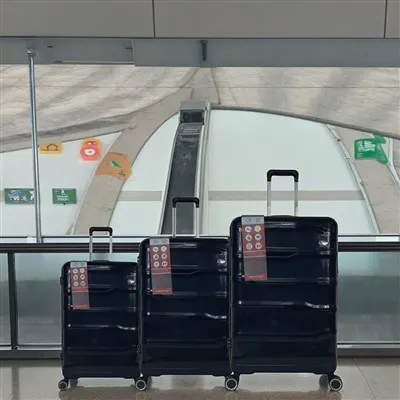

The rise of this circular economy trend stems largely from a profound shift in consumer mindset. Data shows that approximately 66% of consumers prioritize quality and longevity over quantity when purchasing goods. Meanwhile, 73% of post-90s consumers are willing to pay a premium for more eco-friendly products. For high-frequency durable goods like luggage, a clearer trend has emerged: young people not only want a durable suitcase but also one that is more eco-friendly and sustainable. At the same time, environmental regulations in overseas markets such as the EU are continuously tightening. For example, new regulations are imposing increasingly strict limits on harmful substances in consumer goods, while restrictions on substances like PFAS are prompting more and more manufacturers to switch to recycled materials that do not contain intentionally added PFAS. Driven by these dual factors, recycled materials are rapidly evolving from a niche innovation into a mainstream choice in the luggage industry.
It is foreseeable that in the future, when you walk into any travel goods store, the first thing that catches your eye will likely no longer be a striking color or a cool design, but rather a small line of text on the tag: "This product is made from XX% recycled materials." And what this suitcase carries with it is not merely the beginning of a journey, but also a small act of kindness toward the planet.